
The main objective of any reintroduction program is to establish a self-sustaining (i.e., viable and reproductive) wild population of a given species, or subspecies, that is globally or locally extinct.
For a successful reintroduction, prior knowledge of the species' ecological requirements, such as diet and environmental needs, is necessary. Ideally, this information should be obtained from detailed field studies in the species' natural habitat. It should be noted that any reintroduction process is difficult, expensive, and requires a long-term commitment to be successful. With the aim of providing guidance for reintroduction projects, the IUCN published the Guidelines for Reintroductions (IUCN 1998) which, although not legally binding, are globally accepted, not only to increase the success rate of projects but also to prevent inappropriate reintroductions and their potential harm.
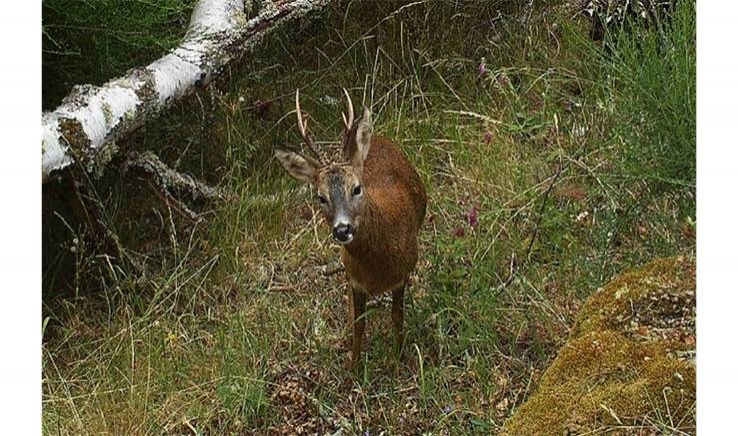
The roe deer (Capreolus capreolus) is a species native to Portugal. This species suffered a significant decline in the 1980s, mainly due to the degradation of its natural habitat and illegal hunting. In the last decade, the abundance and distribution of this species have increased, mainly due to changes in land use and rural exodus, which led to the re-naturalization of habitats, but also to strict hunting management policies. This species plays an important ecological role, both in terms of the composition and dynamics of vegetation and as a key element in the diet of the Iberian wolf. Several studies have demonstrated the importance of promoting wild prey for the wolf, such as the roe deer, in order to increase food availability and thus reduce conflicts with humans.
With the aim of conserving the habitat of the Iberian wolf in the Freita, Arada and Montemuro mountain ranges, this work intends to establish a viable population of roe deer in this mountain range.